Grief arrives unannounced and rarely brings a gift receipt. A sympathy wine hamper, however, can feel like a quiet companion—something soft to set on the counter while the kettle boils and the bereaved figure out what tomorrow looks like. The question is timing: when does a bottle of mourvèdre say “I’m here” rather than “I’m sorry you’re sad, cheers”? The short answer is that sympathy wine hampers work best when the gesture is thoughtful, the wine is quiet rather than celebratory, and the note inside speaks louder than the cork.
Reading the Room Without Overstepping
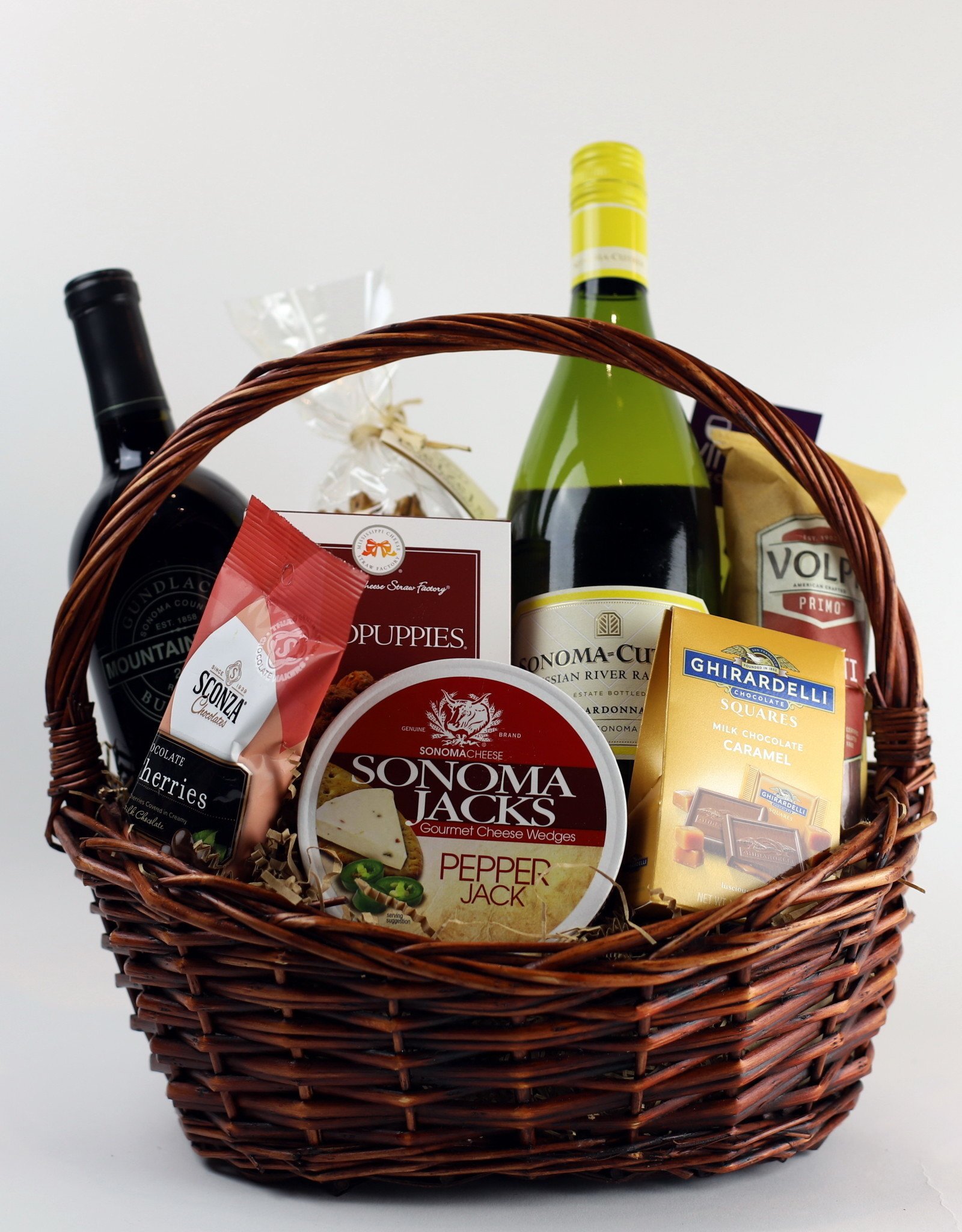
Before deciding when is it appropriate to send sympathy wine hampers, scan the emotional landscape the way a sommelier inspects a glass rim for lipstick. If the family is teetotal, a bottle may read as tone-deaf; if the deceased loved a vineyard, the same bottle may read as tribute. Consider the household: a widow who never drank alone may now pour a nightly glass just to hear the clink of ice, while a grieving parent may simply stare at the label and remember happier vintages. When in doubt, pair the wine with something neutral—olive oil crackers, a small jar of cornichons—so the hamper feels like a pantry item, not a party.
Calendar Moments That Tilt the Bottle Toward Yes
First Week After the Funeral
The funeral ends, the casserole dishes return home, and the refrigerator hums louder than usual. This is the week when sympathy wine hampers land like a second sunset: expected yet appreciated. Choose a mellow red—nothing celebratory—to wine hampers Australia slide next to the leftover lasagna. Attach a note: “No need to open now; just know it keeps.”
Month Markers
A month later, the bereaved walk past the supermarket wine aisle and suddenly remember they haven’t restocked. A hamper arriving on the four-week anniversary feels like permission to exhale. Opt for a half-bottle if space is tight; a magnum if the household plans to share. Either way, the gesture whispers, “Your grief is still valid, and so is your thirst for normal.”
When the Cork Stays In
Sometimes the most compassionate move is to keep the cork in the warehouse and send something else. If the obituary explicitly requests “no alcohol,” respect it. If the deceased died of addiction, a hamper may reopen wounds rather than soothe. In these cases, substitute a basket of herbal teas, honey, and a handwritten card. The bereaved will still feel seen, and you avoid the awkward moment when they must explain why the wine is unopened.
Crafting the Note That Outshines the Vintage
A sympathy wine hamper without a note is like a bottle without a label: technically full, emotionally empty. Write three sentences maximum. First: “I remember the story you told about his favorite Bordeaux.” Second: “May this bottle sit on your counter until you’re ready.” Third: “No reply needed.” Sign with your first name only; surnames feel formal, and the bereaved may not remember them. If you must quote, choose something quiet: “Wine is bottled poetry” fits; “Life is too short to drink bad wine” does not.
Delivery Logistics That Keep the Gesture Gentle
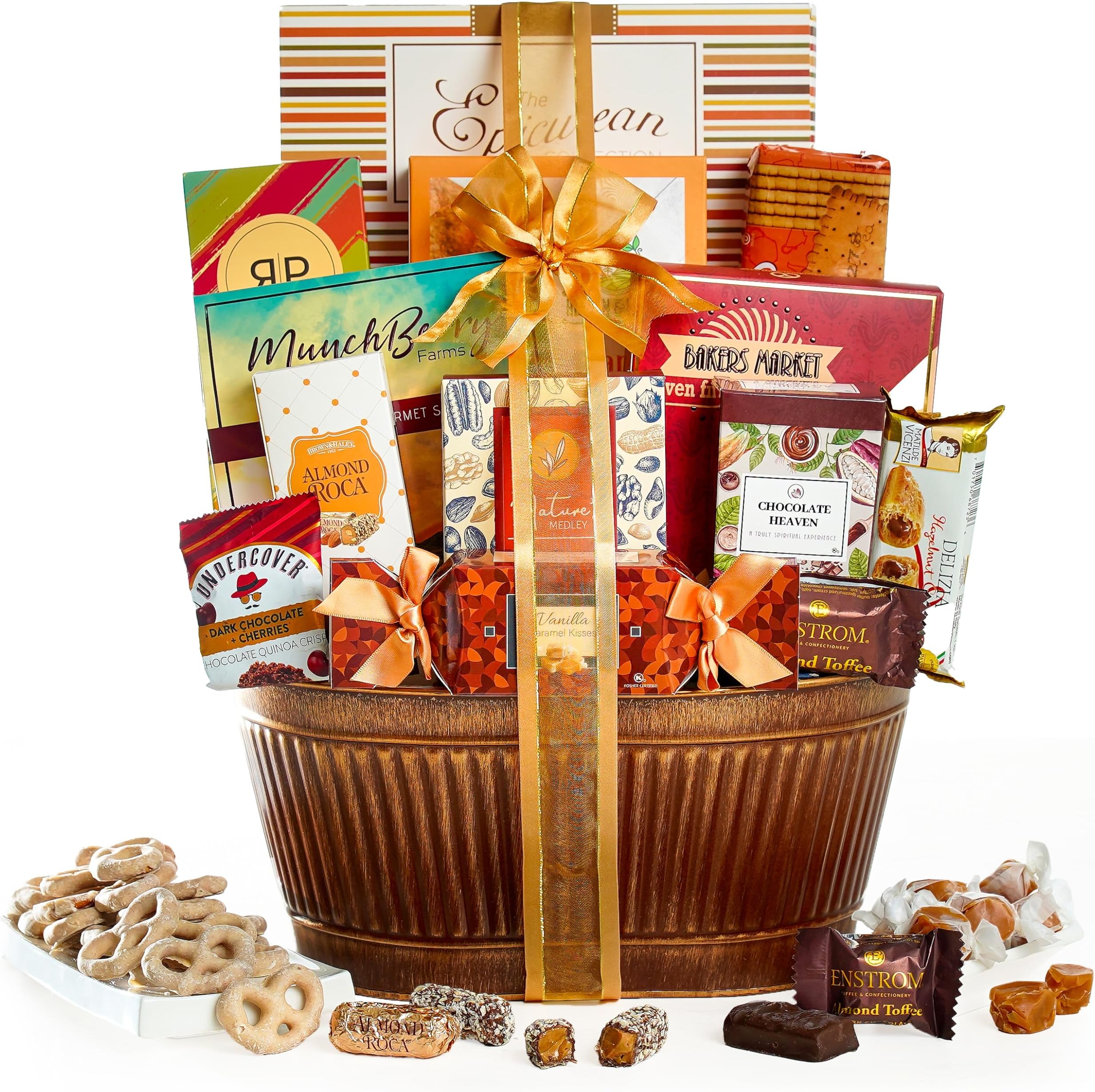
Courier services deliver sympathy wine hampers within 48 hours, but grief moves slower. Schedule delivery for a Tuesday afternoon, when the house is empty of weekend visitors and the bereaved can open the box privately. Include a small jar of olives or a sleeve of crackers so the hamper feels like a pantry item, not a party. If the bereaved live in a dry county, substitute a basket of olive oil, honey, and a handwritten note: “May these flavors remind you of shared meals.” The gesture still lands, even without alcohol.
Making the Gesture Count After the Last Sip
The true gift of a sympathy wine hamper is not the wine but the permission to feel normal again. Long after the bottle is recycled, the bereaved remember who showed up, who sent a quiet note, and who simply listened. Keep a small notebook of what you sent and when; next time, you’ll know whether to uncork or abstain.